Cheap Room, Good Biscuits, Real Handshakes: A No-Frills Meet-Up Blueprint for SMEs

Photo: Federal Communications Commission, Public domain, via Wikimedia Commons
There is a particular kind of business event that costs £40 to attend, includes a lukewarm sausage roll and ends with a stack of business cards you never look at again. Regional SMEs are quietly tired of it. The good news is that hosting something better does not require a bigger budget. It requires a smaller, sharper plan.
A genuinely useful member meet-up can be run for around £50. Not because it looks cheap, but because you spend the money on the bits that matter: tea, coffee, biscuits, name stickers and a follow-up email that lands within 48 hours. Everything else can be borrowed, swapped or skipped.
Start with a room you can borrow, not a venue you have to book
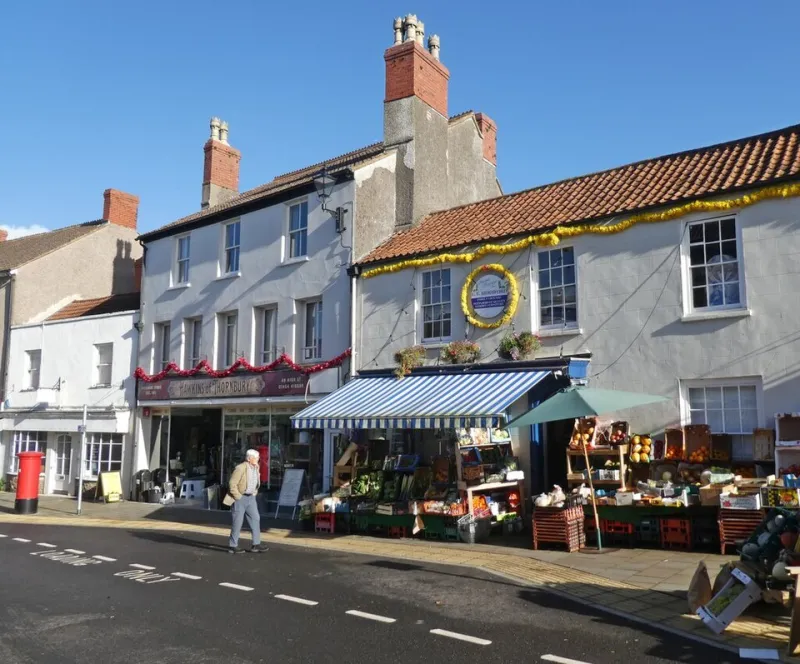
Before you ring a hotel, look around your member network. A fellow SME with a meeting room, a shop floor that clears after 6pm, a co-working space with a quiet corner, a church hall, a pub back room on a Tuesday or a village hall with a decent kettle will usually do the job.
The ask matters. Don't just ask for a free room. Offer something back: a mention in the invitation, a short introduction to your members, a social media thank-you, or first refusal on hosting the next one. If the room belongs to a member, tell them you'll encourage attendees to use their business and you'll leave the place exactly as you found it.
Check the boring things early: accessibility, toilets, parking, closing time, whether there is a kitchen, and whether the room has enough chairs without borrowing from a scout hut. A free room with no parking and a broken lift is not a bargain.
The £50 budget that doesn't feel mean
You are not trying to recreate a conference. You are trying to make people comfortable enough to talk. A simple budget might look like this:
- Tea, coffee, milk and sugar: £15
- Biscuits or supermarket cake: £8
- Sticky name labels and a marker pen: £5
- Printed sign-in sheet, agenda and feedback cards: £10
- Contingency for parking, cleaning or a last-minute urn: £12
That is £50. If you already own a flask, a cafetière or a decent biscuit tin, you have more contingency. Buy a roll of decent biscuits rather than three sad packets. Put the kettle where people can reach it. Nothing kills conversation faster than a queue for a tea urn guarded by one person.
Ninety minutes, four sections, no waffle
The biggest mistake is letting an event drift. A tight agenda feels professional, not rushed. Try this:
0–10 minutes: Arrive and land. Name stickers, tea, one simple question on a flip chart: what would make today useful for you? No formal welcome yet.
10–20 minutes: The one useful thing round. Everyone gets 60 seconds. Say who you are, one useful thing you can offer the room, and one thing you need help with. More on this below.
20–55 minutes: Structured conversations. Split into pairs or threes for two rounds of 12 minutes, with a five-minute shuffle. Give each round a prompt: what is one thing you are stuck on, and what is one thing you are good at? This is not speed networking. It is a room full of people having a useful chat.
55–80 minutes: The asks and offers board. Hand out index cards. On one side, write a specific ask. On the other, write a specific offer. Stick them to a wall or lay them on a table. People can then match themselves up without you playing matchmaker for everyone.
80–90 minutes: Close cleanly. Thank the host by name. Say what happens next. Ask people to hand in their cards or leave them on the board. Do not let the event dribble into a vague pub trip unless people genuinely want one.
The 'one useful thing' round is the secret weapon
Most networking introductions are a CV read aloud. The one useful thing round changes the job of the room. Each person says their name, their business, one genuinely useful thing they can share, and one specific ask.
The useful thing can be small. A supplier they trust. A template they use. A warning about a council process. A local venue that doesn't charge corkage. An accountant who answers emails. A person they can introduce someone to. The ask should be specific too: not 'more clients' but 'an introduction to a independent cafe owner in Northampton looking at card payment systems'.
Use a timer. Keep it kind but firm. If someone starts pitching, gently say: that's useful context, but what is the one thing you can offer the room? People soon get the idea.
Make introductions before people leave
At the start or end, hand out a small card and ask: who is one person in this room you would like to meet, and why? Collect them. You will spot connections that people miss in the moment. Then, with both parties' permission, make the introduction by email the next day.
Permission matters. Never add two people to an email and say 'you two should talk' without checking. A simple 'Would you be happy for me to introduce you to X?' is enough. It takes two minutes and protects the goodwill of the room.
Follow-up is the event
The meet-up is not over when the chairs go back. It is over when the follow-up lands. Within 48 hours, send a short email: thank you, here is the attendee list with consent, here are the asks and offers, and here are two introductions I have made. Keep it plain text. No attachment-heavy newsletter.
If you promised an introduction, do it then. If someone asked for a template, send it then. If you collected feedback cards, read them. One question is enough: what is one thing we should keep, and one thing we should change? Do not ask for a rating out of five unless you plan to do something with the number.
The bit people forget: rotate the host
A cheap meet-up works best when it is not one person's pet project. Ask a different member to host each time. They bring their room, their tea-making skills and their own network. You bring the agenda, the name stickers and the follow-up. The event stays fresh, the host gets a reason to invite people, and nobody has to pretend a hotel conference room is good value.
A £50 meet-up will not impress anyone with its catering. It can impress them with its usefulness. That is the only budget line that really matters.