The January List: How to Follow Up After a Christmas Market Without Being Annoying
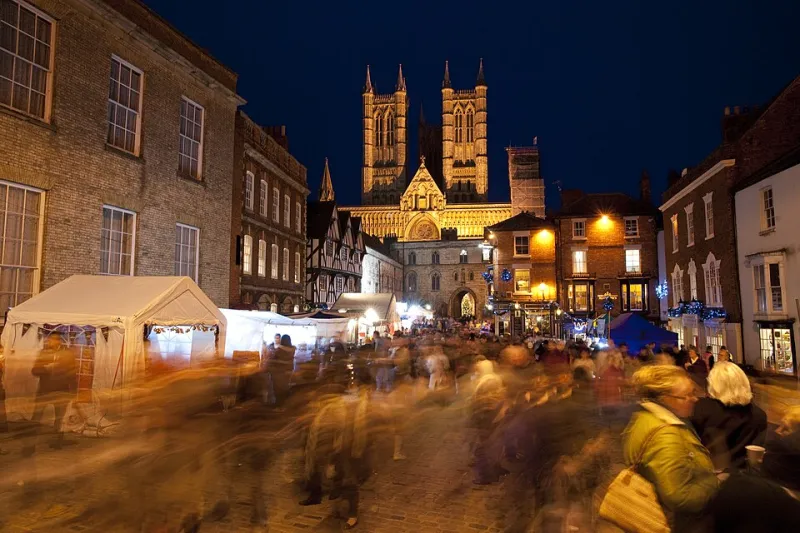
Photo: Virgin Trains East Coast, CC BY 3.0, via Wikimedia Commons
Christmas markets are brilliant at creating a moment. The lights, the mulled wine, the slightly reckless purchase of a candle shaped like a hedgehog. What they are less brilliant at is creating a repeat customer. That part needs a plan, and the plan needs to be in place before you pack up the stall.
Late 2026 will see the usual run of festive events across the UK, from the big city markets in Birmingham, Manchester and Edinburgh to the smaller town fairs in Bath, Winchester, York and Cardiff. If you are selling at any of them, you will meet hundreds of people in a few weeks. Some will buy on the day. Some will take a card and forget. A smaller number could become regulars if you follow up well.
The difference between a forgettable market and a profitable one is often what happens in the first 48 hours after the stall closes. Here is a practical follow-up plan for UK SMEs, with a checklist and the mistakes that quietly waste all that festive footfall.
Before the stall: set up permission, not a pile of receipts
Most market follow-up fails before the first customer arrives. The stall is busy, the card reader is playing up, and the only data you collect is a stack of receipts with no way to contact anyone. Fix that in advance.
Set up a simple way to capture permission. A QR code to a short form works well, especially if you give people a clear reason to sign up: restock alerts, a care guide, early access to a new range or a workshop invitation. Avoid vague promises like 'join our mailing list'. Tell them what they will actually get and how often.
Keep the form short. First name, email and one useful question are usually enough. That question might be 'Are you shopping for yourself or for gifts?' or 'Do you live locally?' or 'Are you interested in personalisation?' You are not building a CRM masterpiece at the stall. You are capturing enough detail to send a relevant follow-up later.
Make sure your consent wording is clear and compliant with UK GDPR and the Privacy and Electronic Communications Regulations. If you are collecting paper entries, have a clear box for marketing consent and keep the forms secure. Do not buy a list from anyone. Do not add people who simply bought something without asking. Permission is the whole game.
At the stall: capture the right details
Train everyone on the stall to ask one or two simple questions. 'Are you shopping for yourself or for gifts?' is easy and useful. 'Do you live nearby?' helps you separate local regulars from visitors. 'Would you like me to email you when the new colours land?' gives you a reason to follow up.
Use colour-coded stickers or a quick tally sheet if you are selling several product types. Note the product interest next to the contact details. A customer who bought a gift box in November is a different follow-up from a local who bought a refill in December. If you sell to trade or corporate buyers, keep a separate sheet and ask for their business details. They are often the most valuable follow-up of the day and the easiest to miss.
The 48-hour thank you
Send a thank-you email within 48 hours. Not a newsletter. Not a discount blast. A short note that says thank you, links to the thing they saw and gives them something useful. If they bought a product, link to the care guide or recipe. If they signed up for restock alerts, confirm what they will receive. If they were interested in a workshop, send the dates.
This is also the moment to set expectations. Tell them how often you will email and what they will get. 'We send one email a month with new stock and market dates' is better than 'we will be in touch'. It builds trust and reduces unsubscribes later.
If you promised something at the stall, deliver it. If you said you would send a personalisation guide, send it. The follow-up is not a marketing exercise. It is a test of whether your word means anything.
Week two: segment and send something useful
By the second week, split your list into simple groups. Local regulars might get an invitation to a Welbni networking evening or a shop event. Gift buyers might get a reminder about last order dates for Christmas 2026 or a gift-wrapping option. Corporate buyers might get a short case study and a bulk order sheet. High-intent customers who asked about a specific product might get a direct answer to their question.
Do not send the same email to everyone. It is the fastest way to make a small list feel like spam. You do not need sophisticated automation. A few tags and three or four separate emails will do.
January: the repeat purchase nudge
Early January is the moment to remind people you exist without shouting at them. A good email is not 'sale, sale, sale'. It is a genuine thank-you for supporting a small business over Christmas, followed by a reason to come back. That could be new season stock, a repair service, a workshop, a loyalty offer or a simple restock notification.
Late January and February are for measuring. Look at repeat purchases by cohort: market sign-ups, stall buyers, local versus visitor. Compare them with customers from other channels. If your market follow-up is working, you should see a measurable lift in second purchases by the end of February 2027. If it is not, you will at least know where the leak is.
A simple checklist
Before the market: set up a QR code and short form, write clear consent wording, decide your one or two segmentation questions, prepare a paper backup and brief everyone on the stall.
During the market: ask the segmentation question, note product interest, capture consent properly, keep corporate enquiries separate and tell people what they will receive.
After the market: send a thank-you within 48 hours, segment the list in week two, send a useful follow-up rather than a hard sell, send a January repeat-purchase email and measure second purchases by the end of February.
Common mistakes to avoid
Buying a list. Adding people without permission. Sending everyone the same email. Emailing too often because you are panicking about January. Leading with a discount when a useful reason to return would do. Ignoring corporate buyers. Not measuring anything beyond opens. Promising a follow-up and then going quiet.
The Christmas market closes, but the relationship does not have to. A little planning now means the people who bought from you in the festive rush have a reason to come back when the lights are down and the mulled wine is a distant memory.