The Guest List Is Already in the Room: A Member Speaker Bank for 2026 Meet-Ups
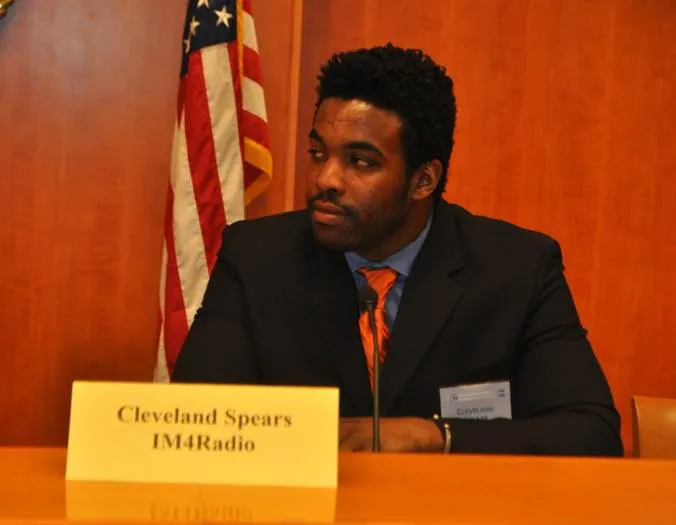
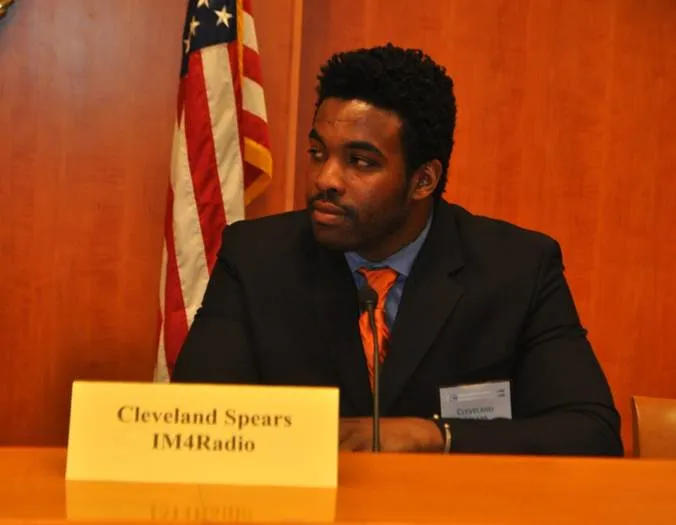
Photo: Federal Communications Commission, Public domain, via Wikimedia Commons
Every regional SME meet-up has the same quiet problem. The room is full of people who know something useful, but the programme is often built around one outside speaker, a sponsor slot and a tray of biscuits. That works until the budget tightens or the speaker cancels. It also ignores the obvious: your members are the programme.
A member speaker bank is not a grand talent agency. It is a simple, living list of people in your network who can give a short, practical talk at a future event. Done well, it cuts costs, gives members a reason to turn up and turns the person at the back of the room into part of the reason people come back.
Start with a one-page ask, not a committee
The fastest way to kill the idea is to form a subcommittee to discuss it. Instead, send a short note to members with three questions:
- What is a problem you have solved in the last 12 months that another member might recognise?
- Could you talk about it for 10 minutes, with five minutes for questions?
- Would you be willing to do it at a meet-up in the next six months?
Notice what is missing. There is no request for a professional bio, a slide deck or a speaker fee. You are asking for usefulness, not polish. Ask people to reply with a paragraph, not a proposal. A line such as “I can explain how we cut our delivery costs by 18% without changing courier” is worth more than a page of corporate biography.
Keep the form short and accessible. A simple online form is fine, but so is an email address and a named person to reply to. Some of your best speakers will be sole traders who do not have a media kit and do not want one.
Screen for practical value, not stage presence
A speaker bank only works if the talks are worth an hour of someone’s evening. You need a light screening process, not a judging panel. Use three questions.
First, would a member use this on Monday? A talk on “how we handled a difficult supplier conversation” passes. A talk on “the future of everything” does not. Second, is there a concrete example? Ask for one number, one mistake and one thing they would do differently. Third, can they keep it to 15 minutes? If they cannot explain the shape of the talk in three sentences, the slot will sprawl.
You also need a clear anti-pitch rule. It is fine for a speaker to mention what their business does. It is not fine for the talk to be a demo with a special offer at the end. Put the rule in writing before the event: no sales pitches, no lead magnets, no booking links in the slides. If a member wants to sell, they can sponsor a slot or book a stand. The speaker bank is for sharing know-how.
Make the format easy to say yes to
Most people who have never spoken at an event assume they need a polished presentation. Remove that barrier. Offer a 15-minute slot: 10 minutes of talk, five minutes of questions. Say slides are optional. Offer a no-projector option if the venue is a pub back room or a village hall. Pair each speaker with a host who will introduce them and keep time.
A useful template is one slide, one story, one takeaway. The speaker can bring a single slide with three bullet points if they like, but the story matters more. Ask them to bring one practical thing another member could copy: a checklist, a script, a supplier question, a pricing rule. That gives the audience something to write down.
Rotate speakers across the year
A speaker bank is not a one-off booking list. It is a calendar. At the start of the year, map three or four meet-ups and allocate one member talk to each. Mix sectors and company sizes. Do not let the same three confident speakers fill every slot, however tempting it is. The quiet member with a story about moving from a market stall to a small unit may be the most useful voice in the room.
Keep a reserve list. People get ill, work gets busy and school pick-ups happen. If you have six names for four slots, you can absorb a cancellation without panic. Also note travel radius and accessibility needs. A speaker who will happily drive 20 minutes may not want a two-hour train journey for a 10-minute talk.
Give something back
Members who speak are doing the network a favour. Acknowledge it properly. Mention them in the member news email, thank them at the event and ask if they want their contact details shared in the follow-up. A short speaker profile in your newsletter is often more valuable than a certificate. It also signals to other members that the speaker bank is a real thing, not a vague idea.
Keep the admin light. One shared spreadsheet with name, topic, contact, travel preference and date last spoken is enough. Review it twice a year. Remove people who have moved on. Add new members who have just solved a problem. The list should feel alive, not archived.
Try a three-meet-up pilot
Do not launch a grand speaker programme. Pilot it. Book three member talks across three meet-ups. Ask the audience one question afterwards: what will you do differently because of that talk? If the answers are specific, you have a speaker bank worth keeping. If they are vague, adjust the brief and try again.
Most SME networks already contain the expertise they need. The trick is to ask for it clearly, keep the pitch out and make the slot small enough to say yes to. Your next speaker is probably already on the guest list.