Who’s Missing From the Room? A Practical No-Show Audit for UK SME Events
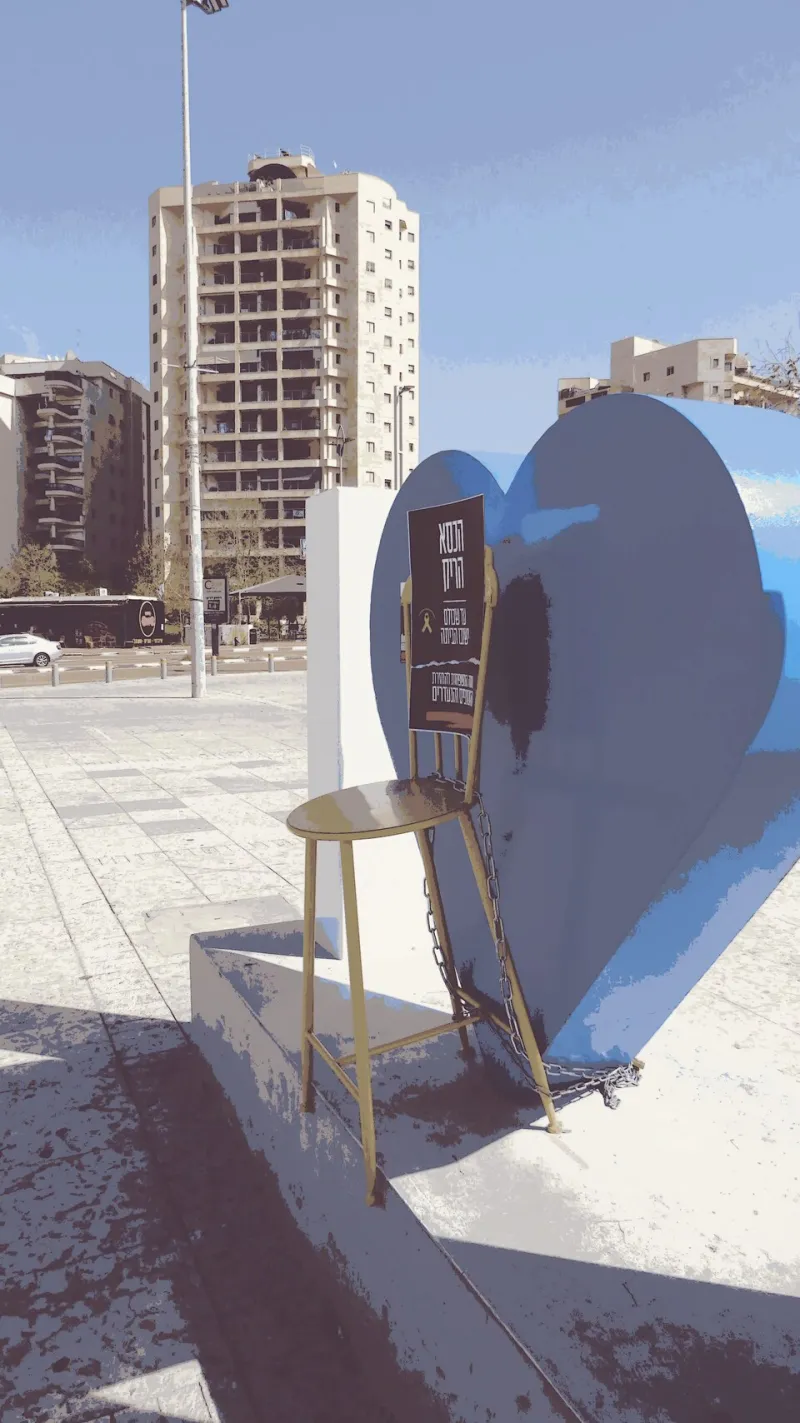
Photo: Chenspec, CC BY-SA 4.0, via Wikimedia Commons
There is a particular kind of silence at a regional SME event just after the advertised start time. The biscuits are out. The name badges are lined up. And a handful of chairs are still pushed under tables because the people who said they were coming are not there. Nobody sends an invoice for that silence, but every organiser pays for it.
No-shows are easy to treat as a manners problem. In practice they are a data problem, a framing problem and sometimes a room-hire problem all at once. For UK small business owners, the calendar is not a nice-to-have. It is the battlefield. A late cancellation often means a client call moved, a staff member went off sick, childcare fell through or a delivery did not arrive. That does not make the empty chair free. It just means the fix is less about nagging and more about designing for real life.
The quiet invoice nobody sends
Start with the obvious costs. You booked a room for 40 because 40 people RSVP’d. You ordered catering for 40. You printed 40 badges. You asked a speaker to travel to Leeds, Bristol or Glasgow on a wet Tuesday evening. Then 23 people turn up. You did not have a 40-person event. You had a 23-person event with 17 empty chairs and a catering order for 40.
The less obvious cost is trust. If a member turns up to a quiet room, they may assume the event was poorly run, the network is fading or nobody else could be bothered. If a sponsor sees a half-full room, they may not renew. If a speaker gets a small audience after preparing for a large one, they may not come back. The empty chair tax is paid in cash, credibility and future goodwill.
Run a no-show audit before you change anything
Before you rewrite the invitation or move the start time, get a baseline. For your next three events, record four numbers:
- RSVPs at the cut-off point
- Confirmations received in the final 48 hours
- Actual attendance
- Walk-ins who did not RSVP
Then calculate a simple show rate: actual attendance divided by confirmed RSVPs. Keep the events separate. Do not average a 7:30am breakfast, a 6pm evening panel and a half-day workshop into one meaningless figure. Look for patterns instead. Is Tuesday morning better than Thursday evening? Do free events no-show more than paid ones? Does a member-only session hold its numbers better than an open invite? Does a city-centre venue beat a out-of-town business park when it rains?
Three events is not a research project. It is enough to stop guessing. Keep the spreadsheet short, maybe one tab per quarter. Add a column for the reason if someone cancels and offers one. Do not chase everyone for an explanation. Just note what you are told.
Make confirming easy, specific and small
A vague reminder gets a vague response. A specific one gets a decision. Instead of ‘let us know if you can still make it’, try a 48-hour message that asks for a simple yes or no and gives the practical details people actually need: room name, start and finish time, nearest station, parking, whether food is provided and whether dropping in late is acceptable.
A one-click cancellation link is not an admission of failure. It is a released chair that someone on the waitlist can use. The goal is not to trap people into attending. It is to get an honest picture of the room before you print the badges.
Use the waitlist like a real tool
Waitlists only work if they move quickly. If your historical show rate is around 60%, do not book a room for 100 people because 100 RSVPs came in. Book for the room you can realistically fill, then release waitlist places in waves. Start with a short window to reply, then move to the next names. Be clear about capacity and fire regulations. Nobody expects you to squeeze extra chairs into a room that cannot take them.
For free events, a modest overbook can be sensible if your data supports it. For paid events, the maths is different and the promise is stronger. Either way, tell people where they are on the list and when they will hear. A waitlist that never moves is just another email nobody trusts.
Ask members to do the reminding
A short nudge from a peer often lands better than another organiser email. Ask two or three members to send a personal message to their table or their sector group the day before. Not a mass broadcast. Just a line: ‘I’m going to the Welbni session on Thursday, are you still in?’ People ignore another calendar reminder. They reply to a person they know.
This also spreads the load. The organiser is not the only person holding the event together. Members become part of the turnout, which is usually a good sign for the network itself.
Frame the event around an outcome, not a vibe
Busy owners do not need another ‘networking opportunity’. They need a reason to move other things out of the way. ‘Bring one supplier problem and leave with two names’ is clearer than ‘come and connect’. ‘A 45-minute export paperwork clinic with three advisers in the room’ tells people what they are getting. ‘Finish by 8:30pm’ is a feature, not a small print detail.
If the only promise is great conversations, the calendar will win. If the promise is specific, short and useful, people are more likely to protect the time. That does not mean every event needs a hard sell. It means the invitation should answer the question every SME owner is quietly asking: what will be different about my business by the time I leave?
The empty chair is not a moral failing
Small business owners cancel for real reasons. Build for that. Keep sessions tight. Send joining instructions early. Do not punish people for cancelling with notice. Make it easy to send a colleague instead. Thank the people who do turn up, and thank the ones who tell you they cannot make it. A cancellation with warning is a gift to your room plan.
A small experiment for your next event
Pick one forthcoming event and change only a few things. Set a realistic room capacity. Ask for a yes or no 48 hours before. Release the waitlist in two waves. Ask three members to nudge their own table. Put the finish time in the subject line. Then count the chairs that stay empty and compare the show rate with your baseline.
The aim is not a perfect attendance sheet. It is a room where the people who wanted to be there can do business, and an organiser who knows what the empty chairs are really saying.