Biscuits Before Dusk: Building a Winter Meet-Up Calendar That Works With the Commute
Every winter, the same thing happens to regional business calendars. The clocks go back, the afternoon light drains away by four, and a perfectly good evening meet-up starts collecting apologies. Not dramatic, headline-grabbing cancellations — just a slow drift of “so sorry, can’t make it” emails from people who genuinely meant to come.
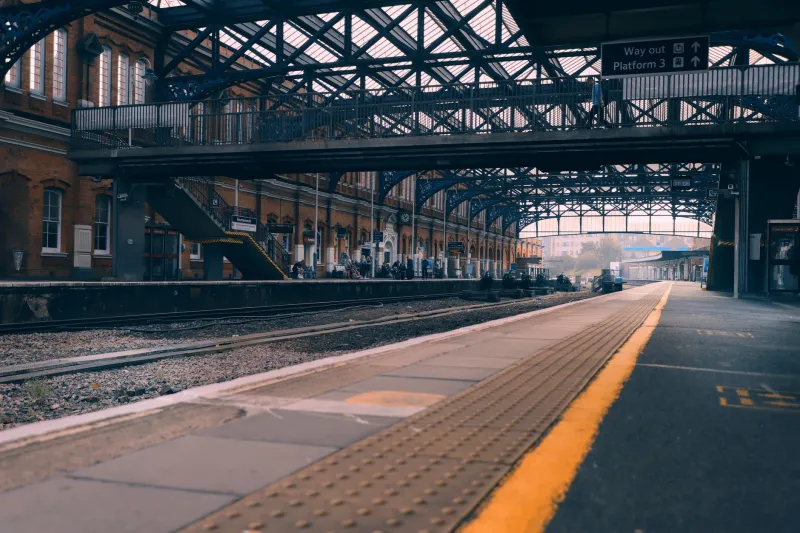
It is tempting to read that as member fatigue. Usually it is simpler. By the time a member has finished work, crossed a dark car park, waited for a train and worked out whether the return journey will leave them standing on a cold platform at 9pm, the cost of attending has quietly gone up. The event hasn’t changed. The journey has.
So the winter scheduling question isn’t really “how do we persuade more people to come out?” It is “how do we design the calendar so coming out doesn’t feel like a test of endurance?”
Audit the sunset before you book the speaker
Most SME event planning starts with the room, the speaker or the theme. In winter, start with the light. Pull up a sunset table for your area — or simply note when the streetlights come on outside your office — and treat that as a practical boundary. A 7pm start in June is a different proposition from a 7pm start in December, even if the agenda looks identical.
Run a quick audit of your last few winter events. Which ones lost the most RSVPs in the final 48 hours? Were they evening slots? Were they in venues where the nearest station felt like a brisk walk in daylight and a questionable shortcut after dark? Did members who rely on buses or trains have to leave before the useful bit?
This isn’t about blaming anyone for preferring a warm sofa. It is about spotting the pattern. If your evening events consistently shed a third of their sign-ups between November and February, the calendar is telling you something. Listen to it before you book another room.
Test lunchtime without turning it into a seminar
The obvious winter move is to shift some meet-ups into lunchtime. The less obvious move is to make them feel like proper networking, not a rushed sandwich lecture.
A useful format for regional SMEs is the 45-minute lunch: arrive, grab a brew, two short member updates, one practical conversation prompt, and a hard finish. No three-course buffet, no wandering agenda, no guilt about leaving. Give people permission to be back at their desks by 1:30pm and they will often stay longer than you expect.
Try it in a venue within five minutes of a bus interchange or a station with decent facilities. Birmingham, Leeds, Bristol, Manchester, Glasgow — the principle is the same. “Near transport” is not a nice-to-have in winter; it is part of the programme.
You may find that lunchtime events attract a slightly different crowd: people with caring responsibilities, people who commute by train, and people who simply do not want to navigate a dark retail park after 6pm. That is not a weaker room. It is a more honest one.
Choose venues for the journey home, not just the photo
A venue can look perfect on a website and still be wrong for a winter evening. The practical checklist is short but worth using:
- Is the entrance well lit and obvious from the street?
- Can members wait inside for a lift or a taxi without feeling in the way?
- Is the nearest station or bus stop genuinely close, or is it “close if you know the shortcut”?
- Does the venue have a coat space that isn’t a pile of chairs?
- Can you finish on time, without the awkward shuffle of staff stacking chairs around the last conversation?
None of this is glamorous. All of it affects whether a member comes back in January. If you are choosing between a characterful room with a tricky walk and a plainer room beside a transport hub, winter is the season to favour plain and practical.
The daylight dividend checklist
Think of the daylight dividend as the small gains you get when an event fits the season rather than fighting it. Before you sign off a winter meet-up, run through this:
- Start earlier than feels natural. If the room is available, try 5:30pm rather than 6:30pm. Even half an hour can change the journey home.
- Publish the finish time as clearly as the start time. Members plan around trains and childcare. A firm finish is a courtesy.
- Offer one online touchpoint. Not a full hybrid circus — just a short follow-up call or a shared notes page for people who could not travel.
- Name the transport options in the joining instructions. “Eight minutes from Leeds station, exit via City Square” is more useful than a postcode alone.
- Keep the first 15 minutes loose. Winter travel is unpredictable. A soft start with drinks and no formal welcome until quarter past takes the pressure off latecomers.
- Ask one question in the follow-up. “Was the journey home okay?” sounds small, but it tells you whether the venue works in the dark.
If you must keep the evening event, shorten the tail
Some meet-ups belong in the evening. Awards, bigger speaker sessions, member celebrations — they need a room and a reason to be there after dark. Fine. Just do not add unnecessary length. A 6pm start with a 8:15pm finish is kinder than a 7pm start that drifts towards 9:30pm. Put the networking at the front, keep the formal bit tight, and let people leave without feeling rude.
You can also offer a “daylight edition” earlier in the week: a shorter, lower-key gathering for members who know they will not make the main event. It does not need to be a full second programme. A coffee meet-up in a station café can do the job.
Winter does not have to be the season where your member calendar goes quiet. It just needs a different shape. Schedule around the light, respect the journey home, and make the biscuits worth the trip before dusk. That is not lowering your ambitions for the network. It is meeting members where they actually are — on a dark platform, deciding whether to come.